Open: Sun 2:00 PM - 4:00 PM


$865,000
Active
3
Beds
3
Baths
1588
Sqft
--
Acres
7448 Backett Wood Ter #405, Mclean, VA 22102
MLS#: VAFX2343836



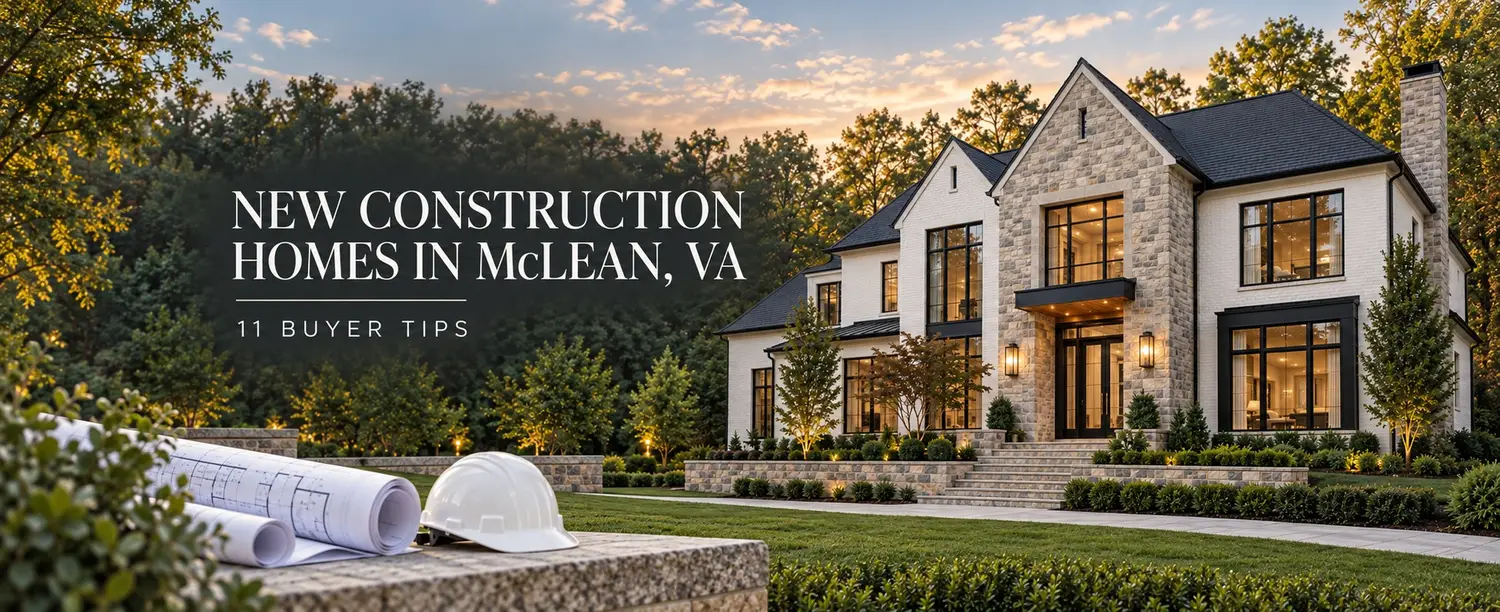
New construction homes in McLean, Virginia, offer modern layouts, luxury finishes and updated building systems in one of Northern Virginia’s most established real estate markets. However, buying a newly built home involves different risks than purchasing an existing property.
Because vacant residential land is limited, much of McLean’s new construction consists of custom or speculative homes replacing older properties. Buyers exploring homes for sale in McLean should investigate the builder, contract, lot and total cost before signing.
A custom home is designed for a particular buyer, while a speculative home is generally built before a buyer is secured. A to-be-built property may allow selections from predetermined plans and finishes. Ask exactly which features can be changed and when selections become final.
Research completed projects, construction quality, warranty responsiveness and experience building in Fairfax County. When possible, visit older homes completed by the same builder. Buyers comparing nearby markets may also benefit from these new construction buying considerations for Arlington.
Model homes often include upgrades not covered in the base price. Request a written list covering flooring, appliances, countertops, cabinetry, lighting, landscaping, decks, window treatments, and smart-home equipment.
This is especially important in communities with renovated and newly constructed luxury properties, such as McLean Manor homes for sale. Allowances that appear generous may not cover the buyer’s preferred selections.
New does not mean flawless. Independent inspections may identify grading problems, incomplete insulation, plumbing leaks, electrical defects, damaged roof components or improperly installed materials.
Consider inspections before drywall installation, near substantial completion and before the warranty expires. Review these common home inspection problems to understand why professional oversight remains valuable.
The sales representative at the property represents the builder’s interests. Buyers may hire their own real estate agent to evaluate comparable sales, explain contract terms, coordinate inspections and negotiate available protections. Agent involvement should begin before you register with a builder or visit a sales office.
Builder contracts may differ substantially from standard resale agreements. Review financing, appraisal, inspection, title, default, change-order and delivery provisions carefully. An attorney can explain legal obligations before signing.
Buyers should also understand how financing, appraisal and inspection contingencies affect their protection if a loan, valuation or property-condition issue arises.
Weather, permits, labor availability, utility connections and material deliveries can affect completion. Determine whether the stated date is guaranteed or estimated and whether the contract gives the builder extensions. Avoid making inflexible moving arrangements until settlement is reasonably certain.
The house is only part of the purchase. Evaluate drainage, grading, retaining walls, driveway slope, tree placement, privacy and neighboring redevelopment. In McLean’s high-value market, lot characteristics can materially affect long-term appeal. Learn more about the forces influencing prices in McLean’s luxury real estate market.
Every upgrade or design change should be documented in writing. The change order should state the price, materials, completion requirements and possible effect on delivery. Verbal assurances can be difficult to enforce if they do not appear in the signed agreement.
A highly customized home may not have obvious comparable sales. If the appraisal is below the contract price, the buyer may need additional cash unless the contract provides another remedy. Discuss appraisal risk and financing requirements with the lender before making nonrefundable deposits.
Request the complete warranty before signing. Review coverage periods, exclusions, claim procedures, and responsibility for appliances, mechanical systems, drainage, structural components, and cosmetic defects.
Also account for the complete monthly payment. This explanation of mortgage rates and home affordability can help buyers evaluate how financing affects the final budget.
Sometimes. Depending on demand and construction stage, buyers may negotiate price, upgrades, closing assistance, financing incentives or completion items.
A preferred lender may offer incentives, but buyers should compare rates, fees, loan terms and service with other lenders before deciding.
Local government inspections are part of the permitting process, but they are not substitutes for an independent inspection performed for the buyer.
Dell Residential can help you compare properties, evaluate builders, review comparable sales and coordinate the purchase process from the first visit through settlement.


Explore homes, condos, townhomes, and communities throughout Northern Virginia, Washington, DC, and Maryland.
Alexandria Homes for Sale
Arlington Homes for Sale
Fairfax Homes for Sale
McLean Homes for Sale
Vienna Homes for Sale
Falls Church Homes for Sale
Reston Homes for Sale
Ashburn Homes for Sale
Leesburg Homes for Sale
See All Cities >