Open: Sat 12:00 PM - 1:30 PM

$2,600
Active
1
Beds
1
Baths
738
Sqft
--
Acres
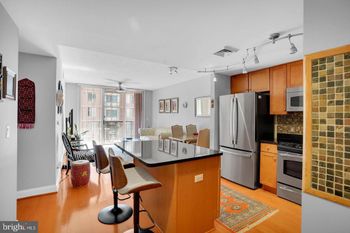
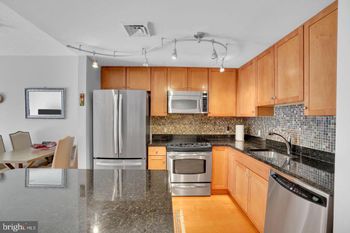
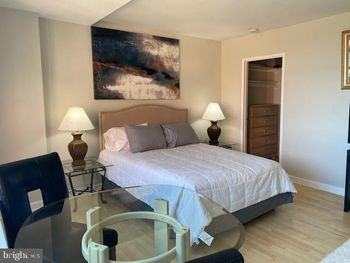
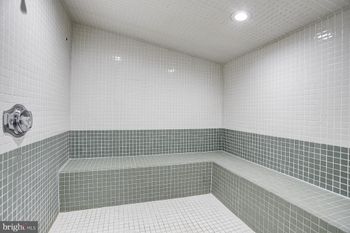
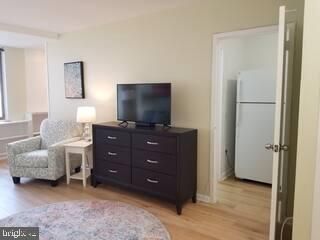
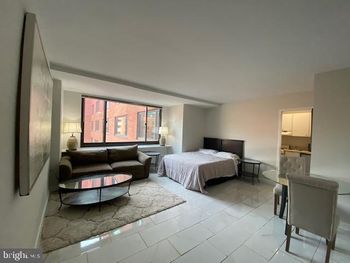
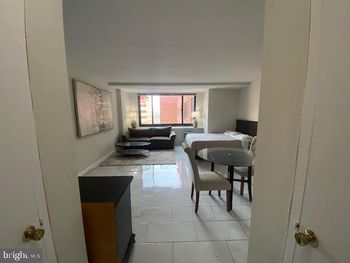
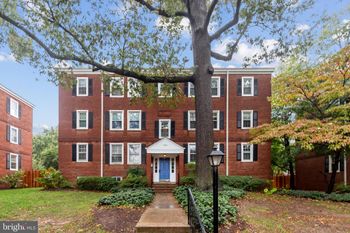
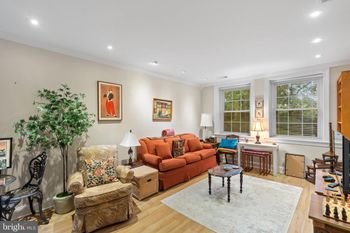
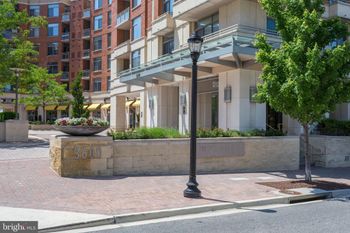
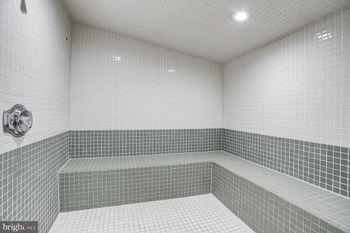
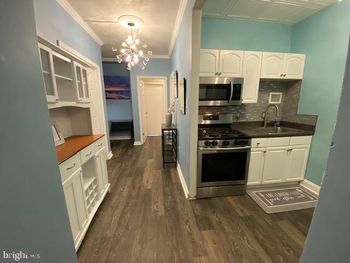
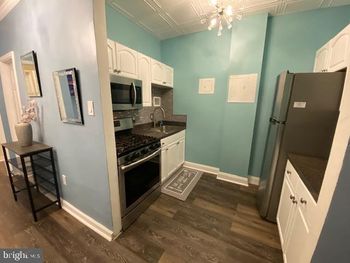
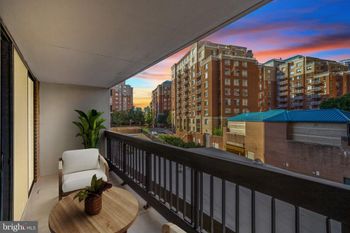
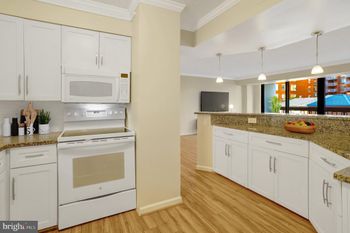
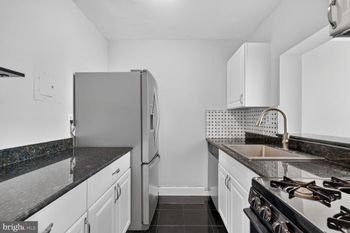
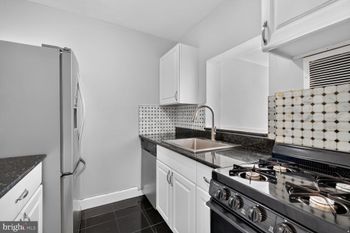
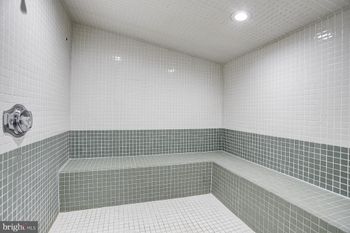
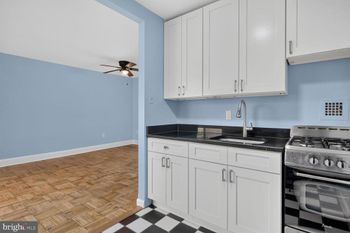
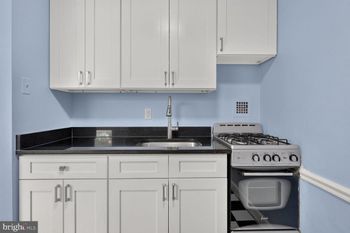
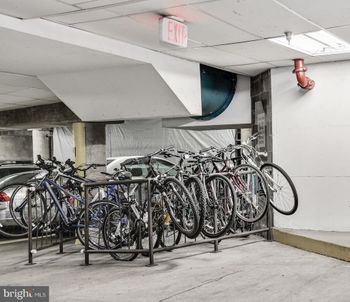
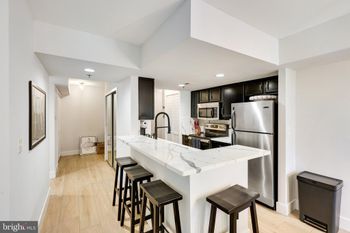
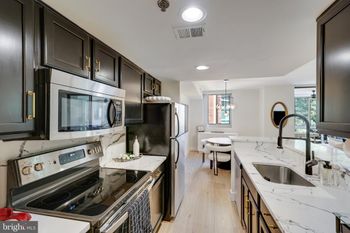
1020 Highland St N #707, Arlington, VA 22201
MLS#: VAAR2080950




Buying a brand-new home can be exciting. You may be able to select finishes, enjoy modern systems, avoid immediate renovations and become the first person to live in the property. However, buying a new construction home in Arlington, VA is different from purchasing an existing home.
Arlington has limited vacant land, so new construction frequently takes the form of a single-family home replacing an older property, a luxury infill project, a small collection of townhomes or a newly delivered condominium building.
This guide explains 11 important things buyers should know about builders, contracts, deposits, inspections, upgrades, construction schedules and warranties before purchasing a new home in Arlington.
New construction can refer to several types of Arlington real estate. Understanding which category you are considering will help you evaluate the contract, timeline, financing, and level of customization available.
In Arlington’s established residential neighborhoods, buyers are more likely to find individual infill homes than large subdivisions filled with identical floor plans. Condominiums and townhomes are more commonly found near Metro corridors and mixed-use districts.
Choose an experienced buyer’s agent before visiting a model home, contacting a builder, or registering through a builder’s website. Some builders require the buyer’s agent to accompany the buyer during the first visit or be identified on the initial registration.
The builder’s sales representative can provide useful information about the property, but they work for the builder. Your buyer’s agent represents your interests throughout the transaction.
A buyer’s agent can help you:
Builder prices and incentives can seem straightforward, but independent representation becomes especially valuable when determining what is included, what protections the contract provides, and what terms may be negotiable.
A beautiful model home does not tell you how the builder handles construction problems, warranty requests, delays or communication. Research the company before committing to a purchase.
Virginia’s Department of Professional and Occupational Regulation licenses businesses engaged in residential construction. Buyers can verify a contractor’s license and review available disciplinary history. You should also ask the builder for examples of recently completed Arlington projects and speak with previous buyers when possible.
Questions to ask include:
Look beyond online reviews. Visit completed homes, examine the workmanship and ask owners how the builder responded after settlement—not only during the sales process.
A new-construction contract is often prepared by the builder and may differ substantially from the standard forms commonly used for Arlington resale transactions. Buyers should not assume it provides the same protections.
The agreement may give the builder flexibility regarding completion dates, material substitutions, floor-plan modifications, utility placement, landscaping and construction tolerances. It may also limit the buyer’s ability to cancel the transaction or recover the deposit.
Pay particular attention to:
A real estate attorney can provide legal advice and explain your contractual obligations before you sign. Verbal assurances from a salesperson should be incorporated into the written agreement or an approved addendum.
New-construction deposits can be larger and structured differently from earnest money on a resale home. A builder may require an initial deposit when the contract is signed, followed by additional payments for design selections, structural options or construction milestones.
Before paying a deposit, determine:
Upgrades can quickly increase the purchase price. They can also create an appraisal gap if the finished home’s contract price exceeds what comparable Arlington properties support. Buyers should maintain adequate reserves instead of directing every available dollar toward deposits and design selections.
The advertised base price may not represent what you will ultimately pay. Premium lots, structural changes, upgraded flooring, additional lighting, cabinetry, appliances, countertops, bathroom finishes, landscaping, window treatments and smart-home features may cost extra.
Ask for a written list showing the standard features, upgrades, allowances and exclusions. If the home is already under construction, confirm the exact materials and finishes assigned to that property rather than relying on what appears in a model home or marketing photograph.
Common expenses beyond the base price may include:
Evaluate the property using its full projected price. This makes it easier to compare the new home with other Arlington homes for sale that may already include upgraded finishes, landscaping, window treatments and outdoor improvements.
The lot can affect privacy, drainage, natural light, outdoor usability and future resale appeal. This is particularly important with Arlington infill construction, where a larger replacement home may occupy more of the property than the previous structure.
Review the survey or site plan and consider:
Arlington County’s approval process may involve zoning, lot coverage, grading, stormwater management, building permits, wall checks, inspections and a final survey. Ask which approvals have been obtained and whether any remain outstanding.
Buyers should also visit the property at different times of day. Traffic patterns, aircraft noise, nearby construction, street parking and activity around schools, parks or commercial areas may feel different during the morning commute than on a weekend afternoon.
A new home can still have construction defects. County inspections focus on compliance with applicable building codes and approved plans; they are not substitutes for an independent home inspection performed for the buyer.
When the construction schedule and contract permit, buyers may arrange inspections at several stages:
An inspection may identify incomplete insulation, grading concerns, plumbing leaks, damaged roof components, improperly installed flashing, electrical problems, missing seals, HVAC deficiencies or unfinished cosmetic items.
Make sure the contract gives your inspector appropriate access and establishes a process for addressing documented concerns. Buyers should also determine whether the builder must correct all inspection findings or only items that fail to meet the contract, applicable code or stated workmanship standards.
A projected delivery date is not always a guaranteed settlement date. Weather, labor availability, permit reviews, inspections, utility connections, material delays and requested design changes can affect the construction schedule.
Ask the builder to explain the difference between an estimated completion date and any contractual delivery deadline. Buyers should also understand how much notice they will receive before settlement. A builder may provide a broad completion window initially and then require closing soon after the home receives its occupancy approval.
If you are renting or selling another property, avoid creating a schedule that leaves no flexibility. Consider temporary housing, lease-extension options, storage, moving-company availability and mortgage-rate-lock expiration dates.
Buyers should also ask their lenders what happens if construction continues beyond the original rate-lock period and whether rate-lock extension fees may apply.
Builders may offer closing-cost assistance, interest-rate incentives, design credits or upgrade packages when the buyer uses an affiliated or preferred lender and settlement company. These incentives can be valuable, but the largest advertised credit does not necessarily produce the lowest overall borrowing cost.
Compare written loan estimates from multiple lenders, including:
Ask what happens to the builder’s incentive if the preferred lender cannot approve the loan or meet the settlement deadline. Evaluate the financing and home purchase as connected but separate decisions.
Builder warranty is a broad term. Coverage, exclusions, claim procedures and deadlines vary. Request the complete written warranty before settlement and learn which responsibilities belong to the builder, manufacturers, subcontractors, condominium association or homeowner.
Determine how the warranty treats:
During the final walkthrough, document unfinished or damaged items with photographs and a written list. Confirm which repairs must be completed before settlement and which may be handled afterward.
If work will remain open after closing, obtain the agreed completion process and expected timeline in writing. Keep copies of contracts, inspection reports, warranty documents, repair requests, photographs and correspondence with the builder.
Before signing a contract, buyers should make sure they understand the most important financial, construction and contractual details.
| Item to Review | What to Confirm | Why It Matters |
|---|---|---|
| Builder | License, experience and previous projects | Helps evaluate reputation and workmanship |
| Contract | Deadlines, cancellation rights and builder flexibility | Establishes the buyer’s legal obligations |
| Deposits | Amounts, deadlines and refundability | Determines how much money is at risk |
| Final Price | Base price, upgrades and additional expenses | Provides a more accurate affordability comparison |
| Lot | Boundaries, easements, drainage and grading | Can affect privacy, maintenance and usability |
| Inspections | Access, timing and builder repair obligations | Helps identify problems before closing |
| Financing | Rate, fees, incentives and rate-lock period | Reveals the complete borrowing cost |
| Warranty | Coverage, exclusions and claim deadlines | Explains how post-closing defects are handled |
New construction opportunities can appear throughout Arlington, but the form of development varies by location. In established North Arlington neighborhoods, buyers may find individual luxury homes replacing older houses. These properties are commonly developed after a builder acquires an existing home and redevelops the lot.
Buyers may find newer condominiums, townhomes and redevelopment projects in areas such as:
Buyers interested in low-maintenance living can also compare Arlington condos for sale, while those who need additional interior and outdoor space may focus on newly built detached homes or townhouses.
When Arlington inventory is limited, McLean, Falls Church, Alexandria and parts of Fairfax County may provide additional new-home choices while maintaining access to Washington, DC and major Northern Virginia employment centers.
You are not necessarily required to hire an agent, but independent representation can help you evaluate the price, contract, inspections, incentives, deadlines and resale considerations. Contact your agent before registering with or visiting the builder.
Possibly. A builder may be more willing to offer closing-cost assistance, financing incentives, upgrades or completed options than reduce the published price. Negotiating flexibility depends on the property, construction stage, available inventory and current market conditions.
Yes. New homes can have incomplete work and installation defects. When permitted by the contract and construction schedule, consider pre-drywall, pre-settlement and warranty-period inspections.
The timeline depends on the project, permitting, site preparation, weather, material availability, utility connections, inspections and customization. Buyers should rely on the contract’s written provisions rather than an informal estimated date.
Many builders provide some form of limited warranty, but the coverage, exclusions, claim procedures and deadlines vary. Buyers should read the complete warranty and keep written records of all repair requests.
New construction frequently carries a premium for new systems, contemporary finishes and limited immediate maintenance. However, the final comparison should include upgrades, landscaping, window treatments, association fees and other expenses that may not be included in the advertised base price.
Dell Residential Group can help you compare Arlington builders, evaluate locations, review available properties, coordinate inspections and understand the complete cost before you commit.
Whether you are considering an infill home in an established neighborhood, a modern townhome or a newly delivered condominium, we can help you understand the differences and identify properties that fit your plans.
This article provides general real estate information and is not legal, lending, engineering, or inspection advice. Buyers should consult appropriately licensed professionals regarding their transaction.





Explore homes, condos, townhomes, and communities throughout Northern Virginia, Washington, DC, and Maryland.
Alexandria Homes for Sale
Arlington Homes for Sale
Fairfax Homes for Sale
McLean Homes for Sale
Vienna Homes for Sale
Falls Church Homes for Sale
Reston Homes for Sale
Ashburn Homes for Sale
Leesburg Homes for Sale
See All Cities >