


How to Spot a Motivated Seller and Negotiate a Better Deal on a Home
When you are buying a home, the list price is only part of the conversation. Some sellers are prepared to wait for the highest possible offer, while others have a clear reason to sell quickly. Recognizing the signs of a motivated seller can help buyers structure a stronger offer, negotiate more effectively, and potentially secure better terms.
A motivated seller is not necessarily a desperate seller, and buyers should never assume that a lower offer will automatically be accepted. The goal is to understand the full situation, respect the seller’s priorities, and create an offer that works for both sides. In many cases, a quick closing, flexible settlement date, limited contingencies, or a clean contract can be just as valuable to a seller as the purchase price.
What Is a Motivated Seller?
A motivated seller is someone who has a reason to sell within a particular timeframe. They may be relocating for work, purchasing another home, downsizing, settling an estate, handling a divorce, or simply ready to move on from the property. Their urgency may make them more willing to negotiate on price, closing costs, repairs, timing, or other contract terms.
That does not mean buyers should ignore market value or skip due diligence. A home inspection, appraisal, financing review, and thoughtful analysis of comparable sales remain essential. The best outcome is a fair agreement that gives the seller certainty and gives the buyer a home at terms that make financial sense.
1. The Home Has Been on the Market Longer Than Similar Listings
Days on market can offer important context. If a property has been available significantly longer than comparable homes in the same price range and condition, the seller may be more open to a conversation. This is especially true if other homes nearby are selling quickly while the listing receives limited activity.
However, buyers should also ask why the home has not sold. It may be overpriced, poorly marketed, in need of repairs, or located on a busy road. A longer market time can create leverage, but it should also prompt a careful review of the property’s condition and value.
2. The Listing Has Had Multiple Price Reductions
A price reduction is one of the clearest indicators that a seller is responding to the market. One adjustment may simply reflect a strategy change, but several reductions can signal that the seller is becoming more realistic or wants to generate an offer quickly.
Look at the timing and amount of each reduction. A recent and meaningful price improvement may show that the seller has repositioned the home to attract buyers. In that situation, a well-supported offer near the new list price may be more successful than an aggressive offer far below it.
3. The Seller Is Offering Incentives
Seller concessions can be an important sign of motivation. These may include a closing-cost credit, a mortgage rate buydown, payment of certain fees, included appliances, a home warranty, or flexibility on repair requests. Incentives can be especially valuable in a higher-rate market because they may lower a buyer’s upfront costs or monthly payment.
Buyers should evaluate the full value of an incentive rather than focusing only on the headline offer. For example, a closing-cost credit may be more helpful than a small price reduction if it allows the buyer to preserve savings after closing.
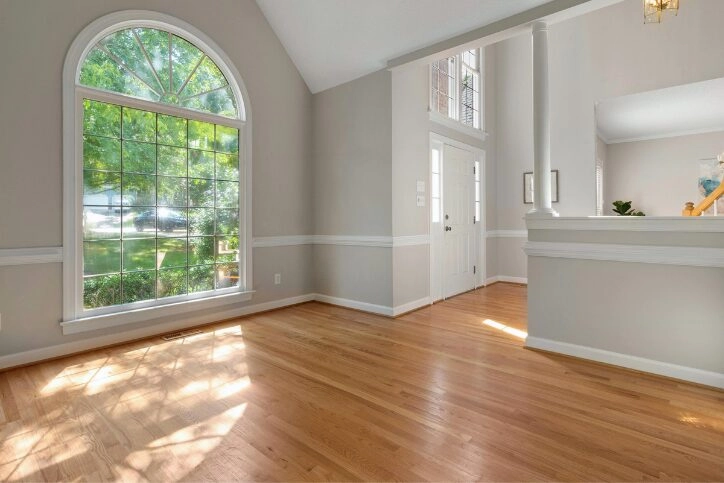
4. The Home Is Vacant
A vacant home can indicate that the owner has already moved, purchased another property, relocated, or is carrying the cost of two homes. Maintaining a vacant property can be expensive and inconvenient, particularly when there are mortgage payments, taxes, insurance, utilities, and upkeep to consider.
Vacancy alone does not guarantee a seller will accept a lower offer. Still, it can create an opportunity to ask about the seller’s preferred closing date and whether a quick, clean transaction would be appealing.
5. The Listing Makes Showings Easy
Highly flexible showing availability can be another clue. A seller who accommodates short-notice tours, multiple visits, weekend appointments, or extended access may be focused on getting the property in front of as many buyers as possible.
Good access is not always a sign of urgency; it can simply be a sign of strong listing preparation. But when it appears alongside a price reduction, long days on market, or a vacant property, it may suggest that the seller is serious about moving forward.
6. The Listing Language Signals Urgency
Pay attention to the wording in the property description. Phrases such as “priced to sell,” “motivated seller,” “bring all offers,” “quick settlement preferred,” or “seller says sell” are often direct signals that the seller wants action.
Other language may be more subtle. A listing that emphasizes immediate occupancy, a recent price change, a seller credit, or a quick closing could indicate that timing matters. Your real estate agent can also contact the listing agent professionally to learn what terms are most important to the seller.
7. There Is a Clear Timing Issue
Some sellers have a specific deadline. They may be relocating for a new job, moving closer to family, starting retirement, or closing on another home. In these situations, the purchase price is still important, but a buyer who can solve the timing issue may have a major advantage.
For example, a seller who needs a fast settlement may value a buyer with a strong pre-approval and limited financing concerns. A seller who needs extra time may prefer a buyer willing to offer a rent-back agreement or a later closing date. Flexibility can strengthen your offer without requiring you to overpay.
How to Negotiate With a Motivated Seller
The most effective negotiation strategy begins with facts. Your agent should review comparable sales, current competing listings, market time, price history, and the property’s condition before recommending an offer. A motivated seller may create an opening, but your offer should still be grounded in market value.
Consider the full contract rather than only the purchase price. Depending on the situation, buyers may negotiate for:
- A lower purchase price
- Seller-paid closing costs
- A mortgage rate buydown
- Repairs or a repair credit
- Included personal property or appliances
- A flexible closing date
- A seller rent-back after closing
A clean offer can also make a difference. Buyers who are fully pre-approved, responsive, realistic about contingencies, and organized throughout the process often stand out. Sellers value certainty, especially when they are facing a deadline.
Do Not Skip Due Diligence
Even when a seller appears eager to move, buyers should not rush past the important steps. Review disclosures, inspect the property, understand the financing terms, and ask questions about major systems, repairs, permits, HOA or condominium documents, and property history.
A lower price is not a good deal if the home has major issues that were not properly evaluated. The strongest buyers combine smart negotiation with careful due diligence and a clear understanding of their long-term budget.
Work With a Local Real Estate Agent
Motivation is often not visible on a listing page. A local real estate agent can analyze the market, communicate with the listing agent, identify the seller’s priorities, and help you make an offer that is both competitive and financially sound.
In Northern Virginia, some homes still attract multiple offers, while others offer room for negotiation. Understanding the difference can help buyers avoid overpaying on one property and missing an opportunity on another.
Ready to Find the Right Home and Negotiate With Confidence?
Dell Residential can help you evaluate listings, understand seller motivation, and structure a strong offer in Northern Virginia, Maryland, or Washington, DC.