Understanding HOA Responsibilities Who Handles Maintenance and Repairs in Your Community



Understanding HOA Responsibilities Who Handles Maintenance and Repairs in Your Community
Disclaimer: This guide is meant for general informational purposes only. The rules regarding HOA maintenance and repair responsibilities can vary by state, community type, and local governing documents. For any legal concerns or disputes, it is advisable to consult a qualified attorney or property management professional who is familiar with your area.
When you move into a community governed by a Homeowners Association (HOA), understanding your HOA’s roles and responsibilities is crucial. HOAs play a significant role in maintaining neighborhood quality of life, but the specifics of who handles what can be unclear. This guide clarifies HOAs' responsibilities for maintenance and repairs, helping you navigate your community’s needs effectively. Read this article as your guide to Understanding HOA Responsibilities: Who Handles Maintenance and Repairs in Your Community.
What is an HOA?
A Homeowners Association (HOA) is an organization within a residential community that creates and enforces rules for the properties and their residents. Typically established by a community developer, an elected board of directors oversees its operations. The core purpose of an HOA is to maintain common areas, uphold property values, and promote harmonious living.
HOAs collect dues from homeowners to cover expenses such as maintenance, landscaping, and community events. By understanding the scope of an HOA’s responsibilities—such as the average annual fee of $300 to $800 in most communities—you can set clear expectations andaddress any issues that arise.
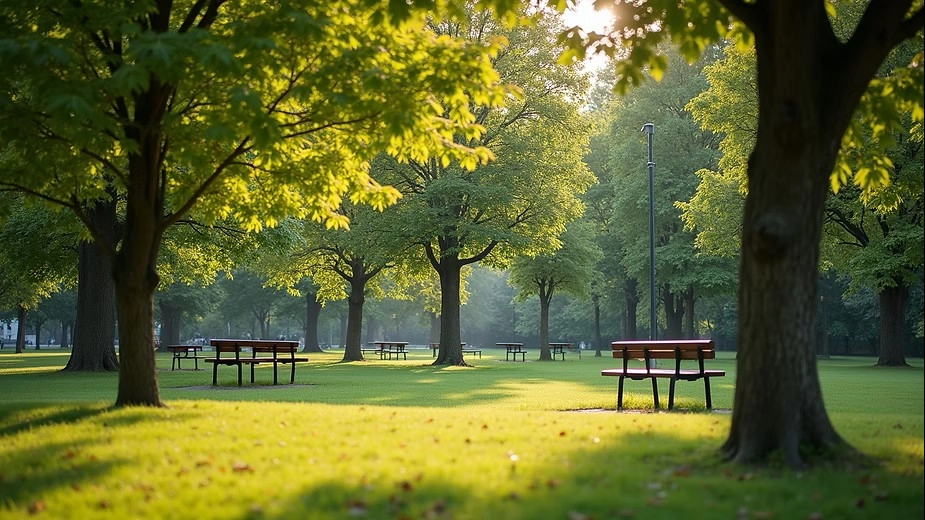
Common Areas and Amenities
The HOA is typically responsible for the upkeep of these areas, including regular maintenance tasks such as:
- Landscaping: This involves mowing lawns, trimming bushes, and planting flowers in common areas. For instance, many HOAs schedule weekly lawn maintenance to ensure a visually appealing community year-round.
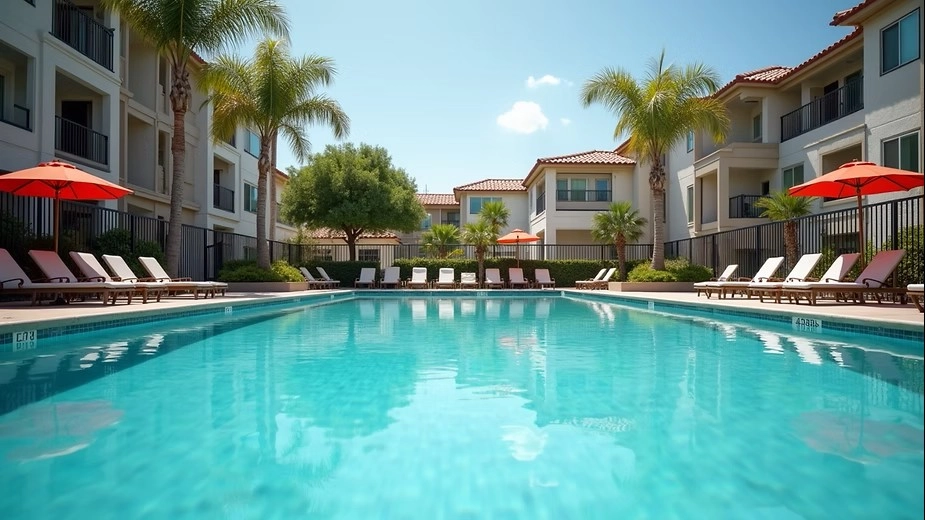
- Pool Maintenance: Swimming pools require regular cleaning and safety inspections to comply with health regulations. A clean pool can enhance property values by an estimated 10%, according to real estate experts.
- Repairs: The HOA promptly addresses any damage to community facilities, such as playgrounds or clubhouses, to prevent further deterioration.
Homeowners are encouraged to report any visible issues to the HOA board, which will take action to resolve them.
Individual Property Maintenance
While the HOA maintains common areas, homeowners are responsible for their own properties. This includes:
- Exterior Maintenance: Homeowners must keep their homes in good repair, covering essential elements like roofs, siding, and paint. A home with peeling paint can decrease its value by as much as 5%, highlighting the need for regular upkeep.
- Yard Care: Keeping yards clean and well-maintained is crucial. This includes mowing grass and adhering to HOA landscaping guidelines.
- Compliance with HOA Rules: Homeowners must follow the community’s aesthetic standards, including restrictions on paint colors and landscaping. For instance, strict rules may require homeowners to refrain from planting certain types of trees that may not be suitable for the local climate.
Knowing these responsibilities enables homeowners to maintain their properties while enhancing the neighborhood’s overall appearance.
Repairs and Emergencies
In the case of repair issues or emergencies, knowing who to contact is vital.
HOA Responsibilities
The HOA manages repairs in common areas. Homeowners should be aware of the following:
-
Emergency Repairs: Significant issues, such as flooding in communal spaces or unsafe conditions, should be reported to the HOA immediately to enable quick responses.
-
Reporting Issues: As with routine maintenance, any concerns in common areas should be directed to the HOA board or the property management company for action.
-
Homeowner Responsibilities
For issues within their own homes, homeowners must take charge:
-
Contacting Contractors: If a homeowner needs repairs, they are responsible for hiring and managing contractors.
-
Insurance Claims: For loss or damage, homeowners are responsible for filing claims with their insurance provider to ensure they are financially protected.
Understanding HOA Fees
HOA fees fund community maintenance and repairs.
What Do HOA Fees Cover?
Typically, HOA fees cover:
-
Common Area Maintenance: Maintenance of facilities such as parks, pools, and recreation areas.
-
Insurance: Protection for common areas against damage and liability.
-
Administrative Costs: This includes legal fees and HOA management services, which can constitute up to 20% of the fees collected.
Homeowners should review their HOA’s budget to understand fee allocation and ensure efficient usage of community funds.
Communication with the HOA
Clear communication between homeowners and the HOA is vital for a well-functioning community.
How to Communicate
-
Attend Meetings: By attending HOA meetings, homeowners can stay informed about community issues and decisions that impact them.
-
Official Channels: Most HOAs maintain newsletters or websites where residents can find updates and contact information, helping them stay engaged.
-
Report Issues Promptly: Swift reporting of maintenance issues can lead to quicker resolutions, fostering a cooperative community environment.
The Role of the HOA Board
The HOA board is critical in managing community maintenance and repairs.
Responsibilities of the Board
-
Decision-Making: The board decides on maintenance contracts, budget allocations, and community regulations.
-
Oversight: Board members supervise contractor work to ensure maintenance tasks meet established standards.
-
Conflict Resolution: Addressing homeowner disputes and ensuring compliance with rules are also part of the board's duties.
Homeowners should feel confident engaging their board members to raise concerns or suggestions for improvement.
Maintenance Schedules
Many HOAs develop maintenance schedules to ensure common areas get regular attention.
What to Expect
-
Routine Maintenance: This might include weekly lawn care, monthly pool cleaning, and seasonal landscaping updates to keep common areas enjoyable.
-
Emergency Maintenance: A plan for addressing urgent issues, such as storm damage or equipment failures, should be in place.
By familiarizing themselves with these schedules, homeowners can better report deviations or concerns to the HOA.
Landscaping and Aesthetic Standards
Landscaping significantly impacts community appeal. HOAs often set guidelines to sustain aesthetic standards.
HOA Guidelines
Plant Selection: HOAs may limit the types of plants that can be planted in common and individual yard areas to ensure a cohesive look.
Maintenance Requirements: Homeowners often need to follow specific maintenance guidelines for their lawns and gardens, thereby reinforcing community aesthetics.
-
By understanding these guidelines, homeowners can enhance their community’s appearance and avoid potential fines for non-compliance.
Conflict Resolution
Disputes may arise between homeowners and the HOA regarding maintenance and repairs.
How to Address Conflicts
-
Open Dialogue: Homeowners should feel comfortable discussing concerns with the HOA.
-
Follow Procedures: Most HOAs have structures in place for disputes, including mediation options.
-
Know Your Rights: It’s critical for homeowners to understand their rights and responsibilities as outlined in the HOA governing documents
By understanding the conflict-resolution process, homeowners can navigate disputes more efficiently.
Final Thoughts
Understanding your HOA's responsibilities regarding maintenance and repairs is essential for a positive living experience in your community. By knowing who is responsible for what, homeowners can take proactive steps to maintain their properties and enhance the overall community atmosphere
Effective communication with the HOA, strict adherence to community guidelines, and prompt reporting of issues ensure that your community remains a desirable place to live. Working together, homeowners and the HOA can create a thriving environment that benefits everyone.
Posts by Categories
- Northern Virginia Real Estate (18)
- Arlington Real Estate Blog (16)
- McLean Real Estate Blog (6)
- Homeowner Guides (6)
- Alexandria Real Estate Blog (5)
- Choosing a Realtor (5)
- Fairfax County Real Estate Blog (4)
- Aldie Real Estate Blog (4)
- Rosslyn Real Estate Blog (4)
- Bethesda Real Estate Blog (4)
Posts by Month
- October, 2026 (3)
- September, 2026 (32)
- August, 2026 (7)
- July, 2026 (6)
- June, 2026 (9)
- May, 2026 (16)
- April, 2026 (11)
- March, 2026 (12)
- February, 2026 (8)
Explore Homes for Sale Across the DC Metro Area
Explore homes, condos, townhomes, and communities throughout Northern Virginia, Washington, DC, and Maryland.
Northern Virginia
Alexandria Homes for Sale
Arlington Homes for Sale
Fairfax Homes for Sale
McLean Homes for Sale
Vienna Homes for Sale
Falls Church Homes for Sale
Reston Homes for Sale
Ashburn Homes for Sale
Leesburg Homes for Sale
See All Cities >