

Centreville, VA Neighborhoods: Complete Local Guide
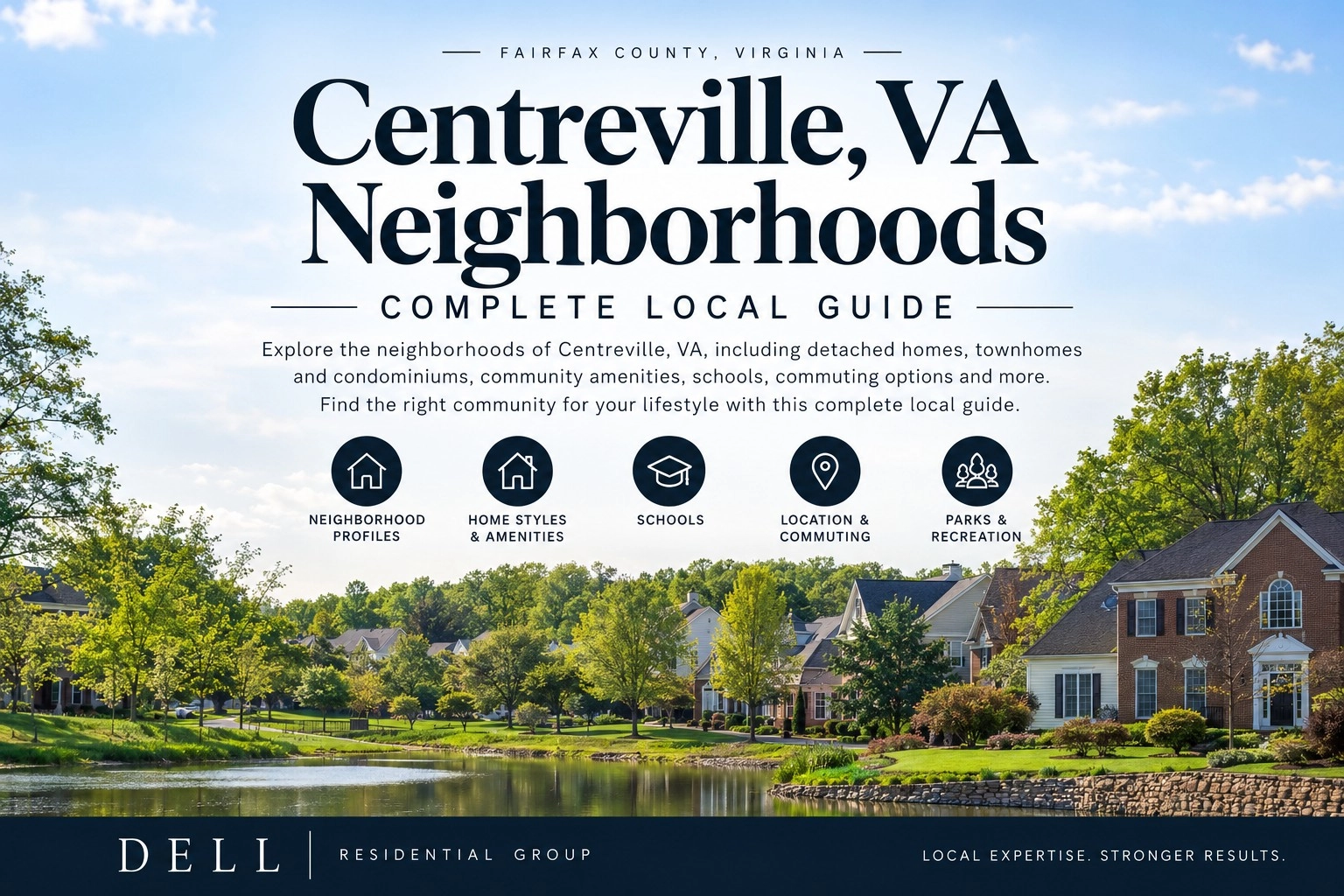
Centreville, Virginia, has a wide variety of neighborhoods, but two communities with similar-looking homes can offer very different living experiences. One may include swimming pools and miles of walking trails, while another has fewer amenities but a simpler association structure. Some townhomes are fee-simple properties, while others that look like townhouses are legally condominiums.
Located in western Fairfax County, Centreville is particularly known for residential development from the 1980s through the early 2000s. Its neighborhoods range from large planned communities with thousands of residences to smaller townhouse subdivisions with fewer than 200 homes.
This Centreville, VA neighborhoods guide compares established communities by housing type, amenities, association structure, location, and practical considerations for homebuyers.
Centreville Neighborhoods at a Glance
| Community | Housing | What distinguishes it |
|---|---|---|
| Virginia Run | Detached homes | 1,406 homes, wooded setting, extensive trails, recreation centers |
| Little Rocky Run | Detached and townhomes | 2,722 homes, three pools, three recreation centers |
| Faircrest | Mixed housing | 1,089 homes, multiple associations, clubhouse and trails |
| Compton Village | Detached, townhomes, condos | 549 residences, pool, pond, trails, and courts |
| Sully Station II | Detached and townhomes | Distinct association from Sully Station |
| Newgate | Detached and townhomes | Traditional and back-to-back townhouse designs |
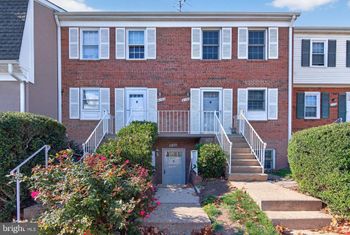
| Compton Valley Estates | Townhomes | Approximately 161 homes, assigned parking, tot lots |
| Singletons Grove | Townhomes | Pool, basketball courts, tennis, and playgrounds |
| Willoughbys Ridge | Condominiums | Garden-style condominium buildings |
| Stonegate at Faircrest | Condominiums | Townhouse-style condominium ownership |
Virginia Run: Detached Homes, Larger Lots, and Wooded Trails
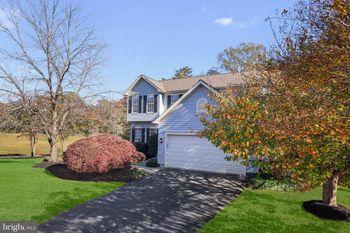
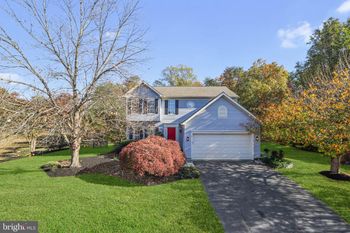
Virginia Run is a 1,406-home planned community covering approximately 1,200 acres in northern Centreville. Its detached residences occupy lots ranging from roughly one-third of an acre to several acres, according to the community association.
The neighborhood has an extensive trail network connecting common areas, wooded parkland, and open meadows. Recreation facilities include a community center, swimming pool, tennis courts, playgrounds, athletic fields, and a second recreation area.
What buyers should know: Lot size, wooded surroundings, grading, and exterior maintenance can differ substantially between properties. Compare individual lots, drainage conditions, and renovation histories rather than relying on neighborhood averages.
Little Rocky Run: One Community, Several Housing Choices
Little Rocky Run covers approximately 950 acres and contains 2,722 residences: 1,653 detached houses and 1,069 townhomes.
Its homeowners association reports 215 acres of open space, three recreation centers, three swimming pools, 15 tot lots, seven tennis courts, three basketball or multipurpose courts, and paved walking paths.
Those facilities distinguish Little Rocky Run from smaller townhouse subdivisions with more limited shared amenities.
What buyers should know: The neighborhood includes individually named sections. For example, Sunset Ridge is a townhouse section within the broader Little Rocky Run area. Search both the master community and relevant subdivision names when reviewing Bright MLS listings.
Faircrest: Why the HOA Structure Matters
Faircrest was developed around 2004 and contains 1,089 homes across approximately 200 acres.
The community's structure is particularly important for buyers. Homes belong to either the Faircrest Community Association or the Faircrest Homeowners Association. Both also participate in the Centreville Farms Community Association, the master association responsible for major shared amenities.
Those amenities include a clubhouse, swimming facilities, tennis courts, playgrounds, ponds, and walking trails.
What buyers should know: Determine which association serves the exact address and whether multiple assessments or sets of governing documents apply. Even addresses on the same street may not necessarily share identical association arrangements.
Compton Village: Detached Homes, Townhomes, and Condos
Compton Village is a planned residential community with 549 housing units. According to its HOA, the breakdown is 133 detached homes, 400 townhomes, and 16 condominiums.
Its amenities include a community center and pool, two tennis courts, a multipurpose court, four playground areas, wooded nature trails, and a pond with a fountain and gazebo.
Centreville Elementary School is located within the community, an important geographic detail for buyers researching nearby schools. School attendance assignments must still be confirmed for individual addresses.
What buyers should know: Compare the legal ownership type, association obligations, parking arrangements, and maintenance responsibilities of the specific residence. Do not assume every Compton Village home has identical ownership documents.
Sully Station and Sully Station II: Similar Names, Separate Communities
Sully Station and Sully Station II are separate planned residential communities with distinct association arrangements.
Sully Station II contains a mixture of townhomes, detached residences, and larger estate-style homes. That variety can create substantial differences in floor plans, exterior maintenance, and lot characteristics.
What buyers should know: Do not combine Sully Station and Sully Station II when evaluating HOA documents or searching subdivision-specific comparable sales. Their names are similar, but the legal subdivision and association distinctions matter.
Newgate: Three Different Housing Configurations
Newgate is an established Centreville community with approximately 807 residences, including detached homes, traditional townhomes, and back-to-back attached homes.
The housing mix is worth understanding. Back-to-back homes can differ from traditional townhouses in exterior access, natural light, outdoor space, and floor-plan configuration.
What buyers should know: Evaluate the exact townhouse design and property ownership rather than assuming every attached home has a conventional front-and-back layout.
Smaller Centreville Townhouse Neighborhoods
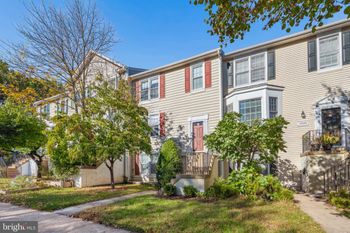
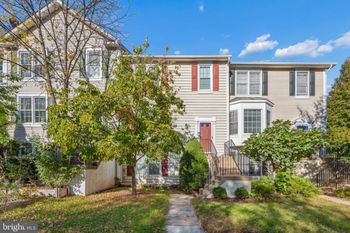
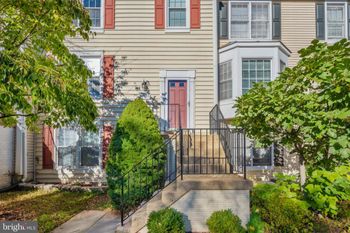
Not every buyer wants a large planned community. Centreville also offers smaller townhouse subdivisions with different combinations of parking, common areas, and recreational amenities.
Compton Valley Estates
Compton Valley Estates contains approximately 161 townhomes developed primarily from 1989 to 1992. Streets include Compton Lane, Compton Valley Way, Compton Valley Court, and Rocky Valley Drive.
Many residences have three or four bedrooms, finished lower levels, and two assigned parking spaces. Neighborhood features include two tot lots, walkways, and open space.
Buyer consideration: Garage parking is not typical. Buyers should confirm assigned spaces and whether access to a nearby pool requires a separate membership.
Singletons Grove
Singletons Grove is an established townhouse community of approximately 675 residences. Recreational facilities include a swimming pool, tennis court, basketball courts, playgrounds, and a soccer field.
Buyer consideration: Review parking rights, exterior maintenance responsibilities, and current recreational access rules before purchasing.
Heritage Estates, London Town West, and Sunset Ridge
Heritage Estates, London Town West, and Sunset Ridge provide additional established townhouse options.
Buyers comparing these communities should focus on differences in construction period, finished basement space, parking arrangements, exterior condition, and association obligations.
Condominiums in Centreville: Understand What You Own
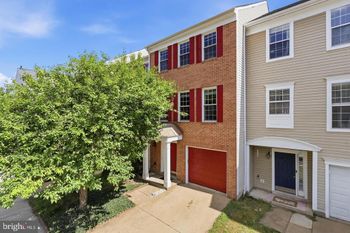
Centreville's condominium market includes traditional garden-style buildings and residences that resemble townhouses from the outside.
Willoughbys Ridge offers garden-style condominiums, while Madison Ridge includes condominium residences within a development that also has rental apartments.
Stonegate at Faircrest includes townhouse-style condominium properties.
Buyer consideration: A townhouse-style appearance does not establish fee-simple ownership. Review the legal description, condominium declaration, insurance responsibilities, reserve information, and what the monthly assessment covers.
How to Compare Centreville Neighborhoods by Location
Centreville's road network affects how residents travel between neighborhoods, schools, employment centers, and regional destinations.
- Near Route 28: Consider the convenience of north-south connections toward Chantilly and the Dulles corridor, while checking traffic near major intersections.
- Near Route 29: Compare access to local shopping and services with potential traffic exposure.
- Near I-66: Evaluate the actual route from the subdivision entrance to the interstate, rather than measuring straight-line distance.
- Along Braddock Road and Union Mill Road: Compare neighborhood access, local traffic, and alternative routes through southern Centreville.
Two homes in the same ZIP code may have noticeably different daily travel patterns because of their subdivision entrances and connecting roads.
Does Centreville Have Public Transportation?
Centreville does not have a Metrorail station within the community, but Fairfax Connector provides regional bus connections.
For example, Fairfax Connector Route 901 connects Centreville park-and-ride locations with the Herndon Metro station. Buyers who plan to use transit should review current route maps, service schedules, parking rules, and the location of stops relative to their prospective home.
Check the Fairfax Connector website for current service information.
Schools and Attendance Boundaries
Centreville neighborhoods are served by Fairfax County Public Schools, but a Centreville mailing address does not guarantee assignment to a particular high school.
For example, the Virginia Run Community Association identifies Virginia Run Elementary, Stone Middle, and Westfield High as schools associated with its community. The Compton Village HOA identifies Centreville Elementary within the neighborhood, with Liberty Middle and Centreville High nearby.
These examples illustrate why buyers should check school assignments by street address rather than relying on a subdivision name or ZIP code.
Use the Fairfax County Public Schools resources to confirm current attendance boundaries and specialized program assignments.
Historic Centreville and Local Recreation
Centreville is more than a collection of suburban subdivisions. Its historic core developed around important regional roads, and the community played a significant role during the Civil War.
At Historic Centreville Park, visitors can explore surviving earthworks and historic structures, including Mount Gilead, a building dating to around 1785, and the Spindle Sears House, constructed from a Sears kit in the 1930s.
Nearby Bull Run Regional Park and other regional parks provide outdoor recreation beyond neighborhood HOA facilities.
What Should Buyers Check Before Choosing a Centreville Neighborhood?
After narrowing your search to a few communities, investigate the details that can affect ownership and resale:
- Exact subdivision: Confirm the Bright MLS subdivision and legal property description.
- Ownership: Distinguish fee-simple townhouses from condominium-owned residences.
- Association structure: Identify every HOA or condominium association and review current assessments.
- Major maintenance: Inspect roofing, windows, HVAC systems, exterior drainage, and finished basements.
- Parking: Confirm assigned spaces, guest parking, garage availability, and restrictions.
- Amenities: Determine whether pool or recreation access is included or requires additional enrollment.
- Schools and transportation: Verify address-specific school assignments and test commute routes at relevant times.
Frequently Asked Questions About Centreville Neighborhoods
Which Centreville neighborhoods have detached homes?
Virginia Run, Little Rocky Run, Sully Station II, Compton Village, and Newgate include detached-home options. Individual lot sizes and housing characteristics vary.
Which Centreville neighborhoods have community swimming pools?
Virginia Run, Little Rocky Run, Compton Village, Faircrest, and Singletons Grove have documented community pool facilities. Confirm eligibility and current access rules with the applicable association.
Which Centreville neighborhoods have townhomes?
Examples include Compton Valley Estates, Singletons Grove, Heritage Estates, London Town West, Sunset Ridge, and townhouse sections of larger planned communities.
Are all Centreville townhouses fee simple?
No. Some townhouse-style properties are legally condominiums. Always verify ownership and maintenance responsibilities before purchasing.
Does Centreville have neighborhoods without HOAs?
HOA arrangements vary across Centreville. Buyers seeking a property without an HOA should confirm the specific parcel's governing documents rather than assume an entire area is unrestricted.
What is the difference between Compton Village and Compton Valley Estates?
Compton Village is a larger mixed-housing community with detached homes, townhomes, condominiums, and recreational facilities. Compton Valley Estates is a smaller townhouse subdivision off Compton Road. They should be researched and searched separately.
What is the difference between Sully Station and Sully Station II?
They are separate planned communities with distinct association structures. Buyers should verify the correct subdivision when comparing homes and reviewing HOA documents.
How can I compare Centreville home values accurately?
Use recent closed sales of properties with comparable ownership, housing type, condition, size, and location. A broad Centreville median can obscure meaningful differences between detached homes, townhomes, and condominiums.
Explore Centreville Neighborhoods With a Local Expert
Whether you're comparing detached homes in Virginia Run, townhouses in Compton Valley Estates, or condominiums near Faircrest, Dell Residential Group can help you evaluate the details that distinguish Centreville communities. Get guidance on property comparisons, HOA documents, neighborhood differences, and buying or selling in Fairfax County.
Contact Dell Residential Group