New - 1 Day Ago
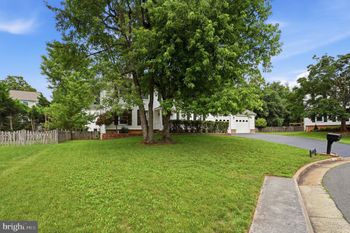
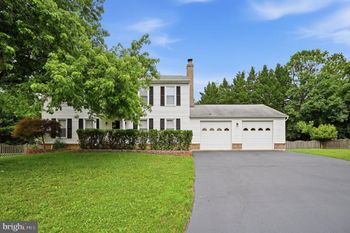
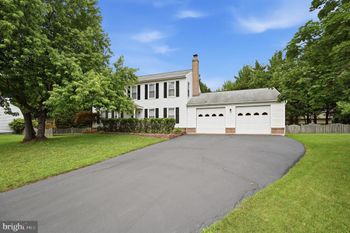




Buying a home in Great Falls, Virginia, differs from buying a property in Arlington, McLean, or Reston. Known for its wooded landscapes, custom-built estates, and spacious residential lots, Great Falls offers a distinctive real estate market where two homes on the same street can have dramatically different features and maintenance requirements.
While the area's privacy and natural surroundings attract buyers, purchasing a property here requires careful research. Private wells, septic systems, large parcels of land, and custom construction can introduce considerations that buyers may not encounter in more densely developed Northern Virginia communities.
For buyers relocating to the region, understanding these differences is an important first step. Our guide to moving to Northern Virginia explains how housing options, commuting patterns, and everyday lifestyles vary across the region.
Before making an offer on a home in Great Falls, here are 11 important things to understand.
One of the biggest mistakes buyers make is assuming that all Great Falls properties offer the same lifestyle.
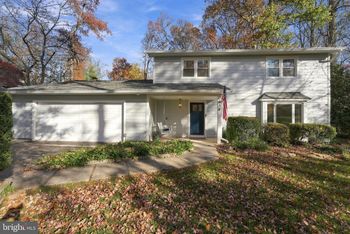
Great Falls includes established Colonial neighborhoods, contemporary homes, renovated residences, and expansive custom estates. Some subdivisions feature homes on approximately half-acre lots, while others contain properties with several acres of land.
For example, communities such as Lexington Estates and Locust Hill feature established detached homes on comparatively manageable suburban lots. Other subdivisions, including Leigh Mill Estates and Merryelle Acres, include larger custom properties with more extensive grounds.
Buyers should decide early whether they prefer an established neighborhood with a traditional layout or an estate property offering greater separation from neighboring homes.
Great Falls is one of Northern Virginia's established luxury residential markets, but not every property is a multi-acre estate. Buyers comparing upscale communities can explore our guide to where wealthy homeowners live in Northern Virginia to understand how Great Falls compares with McLean, Vienna, Oakton, and other luxury markets.
Browse Great Falls homes for sale to compare available architectural styles, lot sizes, and neighborhood settings.
Many buyers moving from Arlington, Alexandria, or other urbanized Northern Virginia communities expect public water and sewer service.
In Great Falls, private wells and septic systems are common, particularly on larger properties.
A private well supplies household water from an underground source. A septic system treats and disperses wastewater on the property rather than sending it to a municipal sewer system.
These systems can function effectively for many years, but buyers should understand their condition and maintenance requirements.
A home with additional bedrooms, a finished basement, or an accessory living area may require closer review of septic capacity and applicable approvals.
Do not assume that a property can be expanded simply because it has substantial acreage.
Buyers new to the region should also review the broader steps involved in purchasing a property. Our Northern Virginia homebuying guide covers budgeting, financing, inspections, and the purchase process from the initial search through settlement.
One of the primary attractions of buying in Great Falls is the opportunity to own a larger residential property.
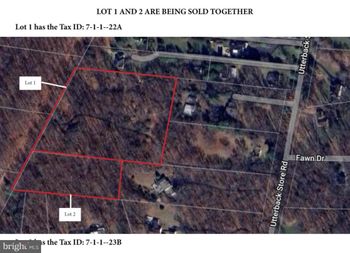
However, total acreage and usable acreage are not necessarily the same.
A property may include wooded slopes, streams, drainage areas, utility easements, septic reserve areas, or other features that affect how the land can be used.
Buyers planning to add a swimming pool, detached garage, guesthouse, sports court, or other improvement should investigate feasibility before purchasing.
Fairfax County land records, recorded plats, surveys, and applicable development regulations can help answer these questions.
Buyers should consult qualified professionals and county authorities before relying on a property's apparent development potential.
For buyers comparing an existing property with a newly built home, lot characteristics deserve just as much attention as interior finishes. Our new construction versus resale comparison explores how location, lot size, construction quality, and maintenance expectations influence the decision.
A general home inspection is an important part of evaluating a property, but it may not address every concern associated with a large custom home.
Great Falls residences can include multiple heating and cooling systems, specialized electrical equipment, generators, swimming pools, retaining walls, and elaborate outdoor features.
Older homes may also have additions or renovations completed over several decades.
Depending on the property, buyers may want to consider specialized evaluations for:
The appropriate inspection scope depends on the home's age, condition, equipment, and known concerns.
Buyers should coordinate inspections with their real estate agent and qualified inspectors while considering contractual deadlines and contingencies.
Even newly constructed properties deserve careful evaluation. Our article on 11 mistakes to avoid when buying new construction explains why independent inspections, builder warranties, and contract provisions matter before closing.
Homeowners association requirements vary throughout Great Falls.
Some established communities have associations responsible for common areas, architectural standards, or shared amenities. Other properties have no mandatory association membership.
Even when a home has no HOA, recorded covenants, easements, or private road maintenance agreements may still apply.
Buyers should review the documents associated with the specific property rather than making assumptions based on the surrounding neighborhood.
These details can influence both ownership costs and future improvement plans.
Association assessments and maintenance responsibilities should also be considered when establishing a housing budget. Our step-by-step buyer's guide explains why evaluating the complete cost of ownership is more useful than focusing only on the purchase price.
Great Falls offers privacy and natural surroundings, but its transportation patterns differ from those of more urban Northern Virginia communities.
The area is primarily car-dependent, and most residents drive to work, shopping, restaurants, and recreational destinations.
Georgetown Pike, Route 7, Walker Road, and other local roads connect residents with surrounding communities.
However, a home that appears close to an employment center on a map may have a longer commute than expected because of road configurations and traffic conditions.
Buyers working in Tysons, Reston, McLean, Arlington, or Washington, D.C., should test their commute during typical travel periods.
Commuting convenience is only one consideration when choosing a Northern Virginia community. Our Fairfax relocation guide explores regional housing choices, transportation, schools, and lifestyle differences that buyers should consider before selecting a location.
Great Falls does not have its own Metrorail station. Silver Line stations in Tysons and Reston provide options for residents who drive or arrange transportation to a station.
For some buyers, the additional drive to Metro is manageable. Others may prefer a home closer to a rail station.
Transportation convenience should be evaluated before making an offer, particularly for households with frequent commuting requirements.
Buyers who prioritize rail access can compare Great Falls with more transit-oriented locations. Our guide to Arlington neighborhoods near Metro illustrates how housing options and everyday transportation convenience can differ across Northern Virginia.
Many Great Falls properties are associated with Fairfax County Public Schools, but attendance boundaries should never be assumed from a neighborhood name or ZIP code.
Homes in the area may be assigned to different elementary schools depending on their location.
School assignments can also change over time.
Before purchasing, buyers should use the official Fairfax County Public Schools address-based boundary information to verify the schools serving a particular property.
This is especially important when comparing homes in different subdivisions or near attendance boundary lines.
School assignments are only one consideration when choosing a neighborhood. Buyers should also evaluate transportation, housing type, maintenance responsibilities, and their long-term plans. Our Northern Virginia relocation guide provides additional context for comparing communities throughout the region.
Great Falls includes homes that have undergone substantial renovations, additions, and custom improvements.
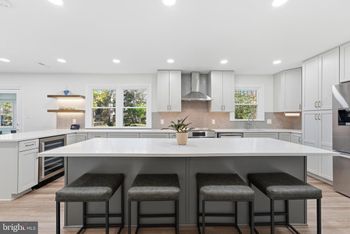
A property may feature an expanded kitchen, additional bathrooms, a finished lower level, or a newly constructed outdoor living area.
While these improvements can enhance a home's functionality, buyers should understand what work was completed and whether required approvals were obtained.
For example, adding bedrooms to a home served by a septic system can raise questions about whether the approved wastewater capacity supports the property's current configuration.
Buyers should review available county records and consult qualified professionals when documentation is incomplete, or concerns arise.
Renovation decisions can also influence whether homeowners stay in an existing property or move to another home. Our article on why Northern Virginia homeowners are renovating instead of moving explores how changing space requirements, location preferences, and improvement costs affect that decision.
A larger home and lot can provide privacy, recreation space, and flexibility. They can also create additional maintenance responsibilities.
Large Great Falls properties may require ongoing tree care, landscaping, driveway maintenance, drainage management, and specialized equipment servicing.
Custom homes may also have multiple HVAC systems, extensive roofing, specialized windows, and outdoor amenities that increase maintenance complexity.
Buyers should request available service records and consider obtaining estimates for specialized systems or extensive grounds.
The complete cost of ownership matters, especially when comparing properties with different utility arrangements and maintenance needs. Our article on mortgage rates and home affordability explains how financing costs influence the overall purchasing decision.
Buyers comparing estate properties should look beyond architectural design and interior finishes. The goal is to understand the property's responsibilities before taking ownership.
Pricing a home in Great Falls requires more than comparing square footage and bedroom counts.
Two nearby homes may have similar interior dimensions but substantially different values because of construction quality, lot usability, renovations, architectural design, and outdoor amenities.
A renovated Colonial in an established subdivision should not automatically be compared with a custom estate on several acres.
Likewise, a property with extensive luxury improvements may not receive dollar-for-dollar value for every upgrade.
Buyers should review recent comparable sales with attention to:
In neighborhoods with limited recent sales, an agent may need to evaluate a broader selection of comparable properties while adjusting for meaningful differences.
Great Falls is part of Fairfax County, one of the economically significant jurisdictions in the Washington metropolitan area. Learn more about the regional factors influencing housing demand in our article explaining why so many of America's richest counties are in Northern Virginia.
Understanding regional demand can provide useful background, but a home's market value still depends on its specific location, condition, characteristics, and comparable sales.
Every Great Falls property is different, and the appropriate offer strategy depends on the home's condition, pricing, competition, and the buyer's financial position.
A well-maintained home with desirable features may attract strong interest, while a property requiring significant repairs may present different negotiation opportunities.
Before making an offer, buyers should evaluate comparable sales, listing history, inspection needs, financing requirements, and potential ownership costs.
Understanding a seller's circumstances can also help buyers structure competitive offers. Our guide to spotting a motivated seller and negotiating a better deal explains how listing history, seller timing, concessions, and property condition can influence negotiations.
For properties with private utilities, unusual construction, or extensive acreage, due diligence can be especially important.
Buyers should also understand how contingencies, earnest money, closing timelines, and other contract terms affect their obligations.
A competitive offer is not necessarily the one with the fewest protections. It is an offer structured around the property's characteristics, current market conditions, and the buyer's risk tolerance.
Preparation can make the process more manageable, particularly when buying a distinctive luxury property. Our Northern Virginia buyer's guide outlines how to evaluate comparable sales, establish financing, and navigate the steps leading to settlement.
Great Falls can be an appealing choice for buyers who value detached homes, privacy, wooded surroundings, and access to outdoor recreation.
The area offers established neighborhoods, custom estates, and opportunities to own properties with substantial outdoor space.
However, buyers should also consider commuting requirements, maintenance responsibilities, utility systems, and the costs associated with owning a larger property.
Those who prefer walkable shopping districts or direct Metro access may find other Northern Virginia communities better suited to their daily routines.
Buyers comparing locations may also want to understand the broader characteristics of the region. Our article on why Northern Virginia homes are so desirable examines factors that influence the appeal of local residential markets.
The best choice depends on the buyer's lifestyle, property preferences, and long-term plans.
Private septic systems are common in Great Falls, particularly on larger properties. However, utility arrangements vary, so buyers should confirm the wastewater system for each individual home.
Yes. Although Great Falls is known for large estate properties, established subdivisions such as Lexington Estates and Locust Hill include homes on approximately half-acre lots.
No. Great Falls does not have its own Metrorail station. Buyers can consider Silver Line stations in Tysons and Reston, depending on their location and transportation needs.
No. HOA requirements vary by subdivision and property. Buyers should verify association membership and review applicable recorded documents before purchasing.
Possibly, but approval depends on zoning, setbacks, easements, septic capacity, environmental restrictions, and other property-specific requirements. Buyers should confirm feasibility with Fairfax County and qualified professionals before making plans.
For a property served by private well and septic systems, specialized evaluations are generally worth considering. A standard home inspection may not fully assess those systems.
Great Falls offers residential opportunities that are difficult to replicate in more densely developed parts of Northern Virginia. From established Colonial neighborhoods to expansive custom estates, buyers can find a wide range of architectural styles, lot sizes, and living environments.
However, the same features that make Great Falls attractive also make property-specific research important.
Understanding private utilities, lot restrictions, renovation histories, maintenance requirements, and comparable sales can help buyers make more informed decisions.
Whether you are exploring established neighborhoods or searching for a custom estate, begin by reviewing available Great Falls homes for sale and comparing properties based on your needs.
Dell Residential Group at Samson Properties helps buyers navigate the Great Falls real estate market, from established residential neighborhoods to custom luxury estates. Get guidance on property evaluations, comparable sales, inspections, and offer strategies before making your next move.
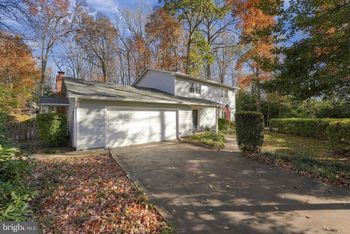


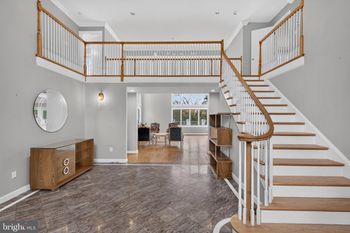
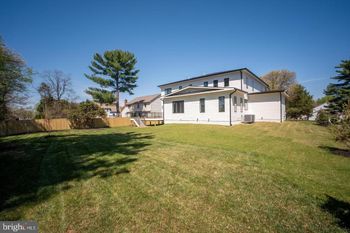
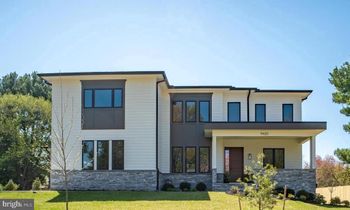
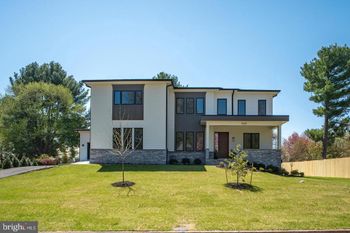




Explore homes, condos, townhomes, and communities throughout Northern Virginia, Washington, DC, and Maryland.
Alexandria Homes for Sale
Arlington Homes for Sale
Fairfax Homes for Sale
McLean Homes for Sale
Vienna Homes for Sale
Falls Church Homes for Sale
Reston Homes for Sale
Ashburn Homes for Sale
Leesburg Homes for Sale
See All Cities >