New - Just Now
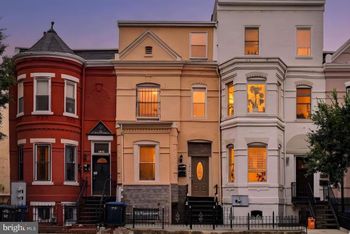




Washington, DC is a city of neighborhoods. Beyond the monuments, museums and federal buildings, the District offers everything from historic rowhouses and quiet tree-lined streets to modern waterfront condos and lively urban corridors filled with restaurants, shops and entertainment.
For homebuyers, choosing where to live in Washington often comes down to lifestyle. Some buyers prioritize Metro access and walkability. Others want a detached home, historic architecture, waterfront recreation or easy access to restaurants and nightlife. Before exploring Washington, DC homes for sale, it helps to understand how dramatically the experience can change from one neighborhood to another.
Best for classic DC architecture: Capitol Hill, Georgetown and Dupont Circle
Best for an urban lifestyle: Logan Circle, Shaw and Adams Morgan
Best for a more residential setting: Cleveland Park, AU Park and Brookland
Best for waterfront living: Navy Yard and Southwest Waterfront
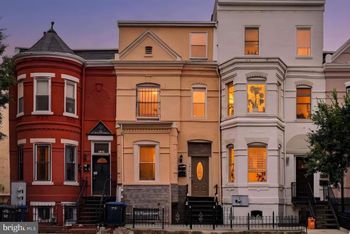
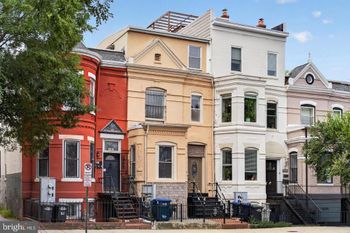
Few neighborhoods represent classic Washington quite like Capitol Hill. Beyond the U.S. Capitol itself, the neighborhood contains block after block of historic rowhouses, mature trees, small parks and established residential streets.
Eastern Market serves as one of the neighborhood's major gathering places, while Barracks Row along 8th Street SE provides restaurants, shops and local businesses. Buyers looking for quieter surroundings can explore the residential blocks around Lincoln Park and farther east toward Hill East.
Housing ranges from historic rowhouses and condominium conversions to extensively renovated luxury residences. Buyers who want architectural character without giving up restaurants, parks or public transportation frequently include Capitol Hill in their search.
Why buyers consider Capitol Hill: Historic rowhouses, walkability, Eastern Market, neighborhood parks and convenient access to downtown Washington.
Georgetown is one of Washington's most recognizable neighborhoods and one of its most architecturally distinctive. Brick sidewalks, historic rowhouses and mature residential streets give the community an atmosphere that is difficult to duplicate elsewhere in the District.
M Street and Wisconsin Avenue form Georgetown's primary shopping and dining corridors, but the neighborhood changes quickly once you move onto the surrounding residential streets. Housing ranges from relatively compact historic rowhouses to substantial luxury residences.
Residents also have access to the C&O Canal and Georgetown Waterfront Park along the Potomac River. One important consideration is transportation: Georgetown does not have its own Metrorail station, so buyers should evaluate walking, biking, bus routes and driving when considering a property here.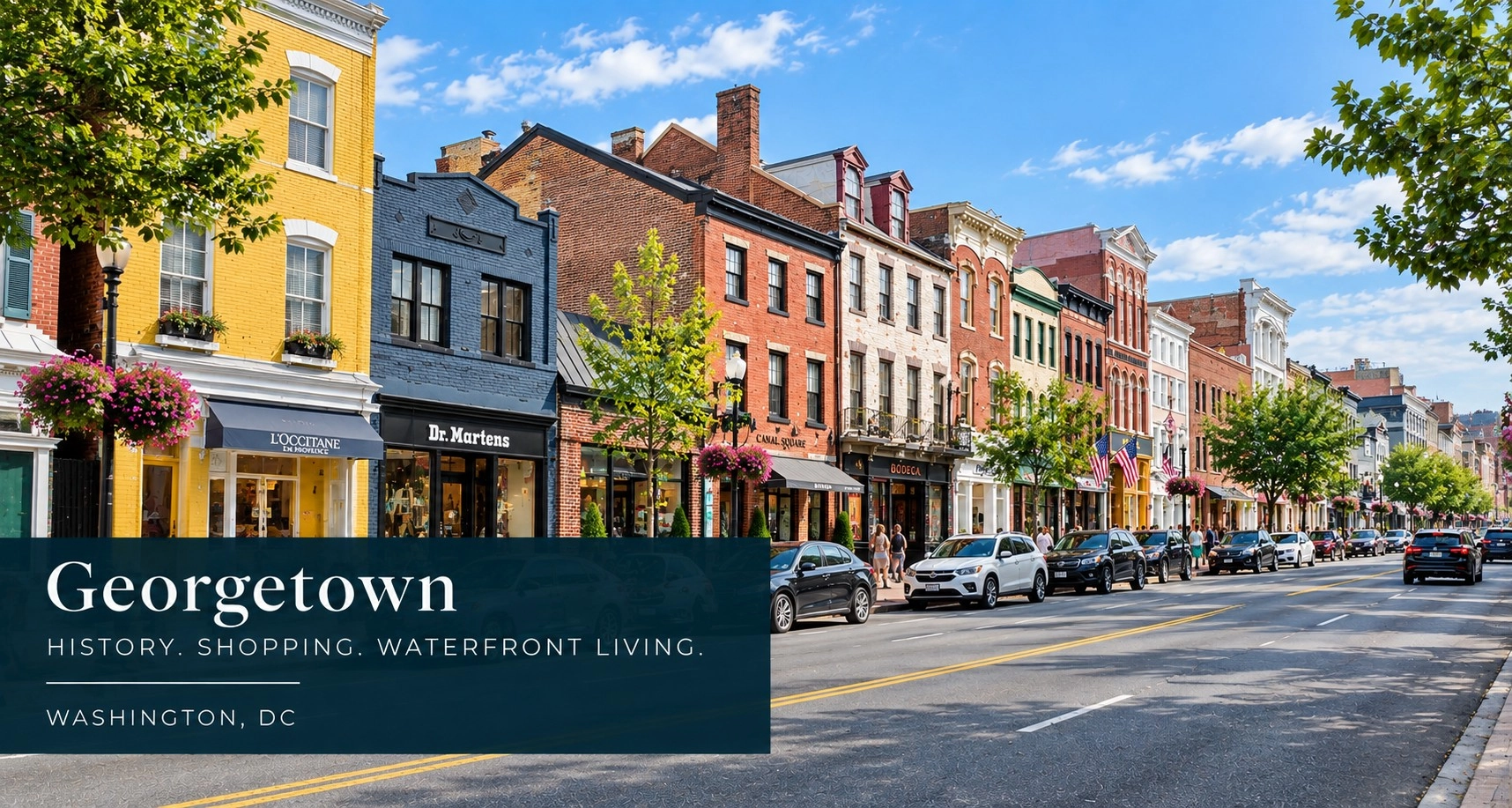
Why buyers consider Georgetown: Historic architecture, luxury homes, waterfront recreation, shopping, dining and distinctive residential streets.
Dupont Circle offers a compelling combination of historic residential architecture and central-city convenience. Buyers will find traditional rowhouses, condominium buildings and larger residences throughout the neighborhood.
The circle itself serves as an active community gathering place, while Connecticut Avenue and surrounding streets provide restaurants, cafés, bookstores and everyday services. Embassy Row also contributes some of Washington's most impressive architecture to the surrounding area.
Transportation is another advantage. The Dupont Circle Metro station provides Red Line service, making this one of several DC neighborhoods where residents can rely less on a car.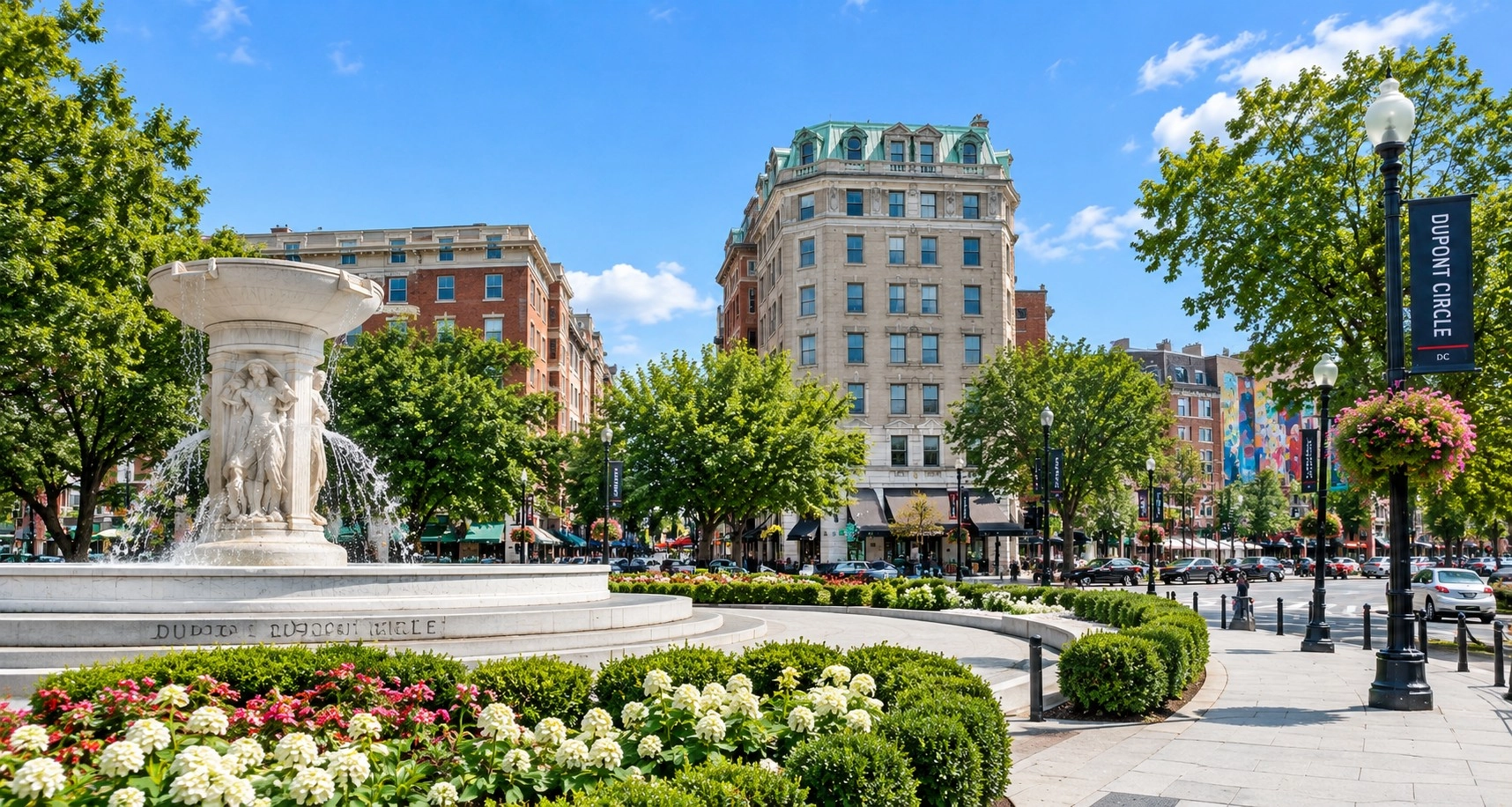
Why buyers consider Dupont Circle: Metro access, historic homes, restaurants, walkability and proximity to downtown.
Buyers looking for a highly walkable urban environment should also consider Logan Circle. The neighborhood is centered around its namesake circle and is surrounded by some of Washington's recognizable Victorian residential architecture.
The nearby 14th Street corridor has become a major destination for dining, shopping and entertainment. This gives residents convenient access to city amenities, while many surrounding side streets retain their historic residential character.
Housing includes rowhouses, boutique condominium buildings and newer luxury condo developments. Compared with quieter neighborhoods farther into Northwest Washington, Logan Circle offers a noticeably more urban day-to-day experience.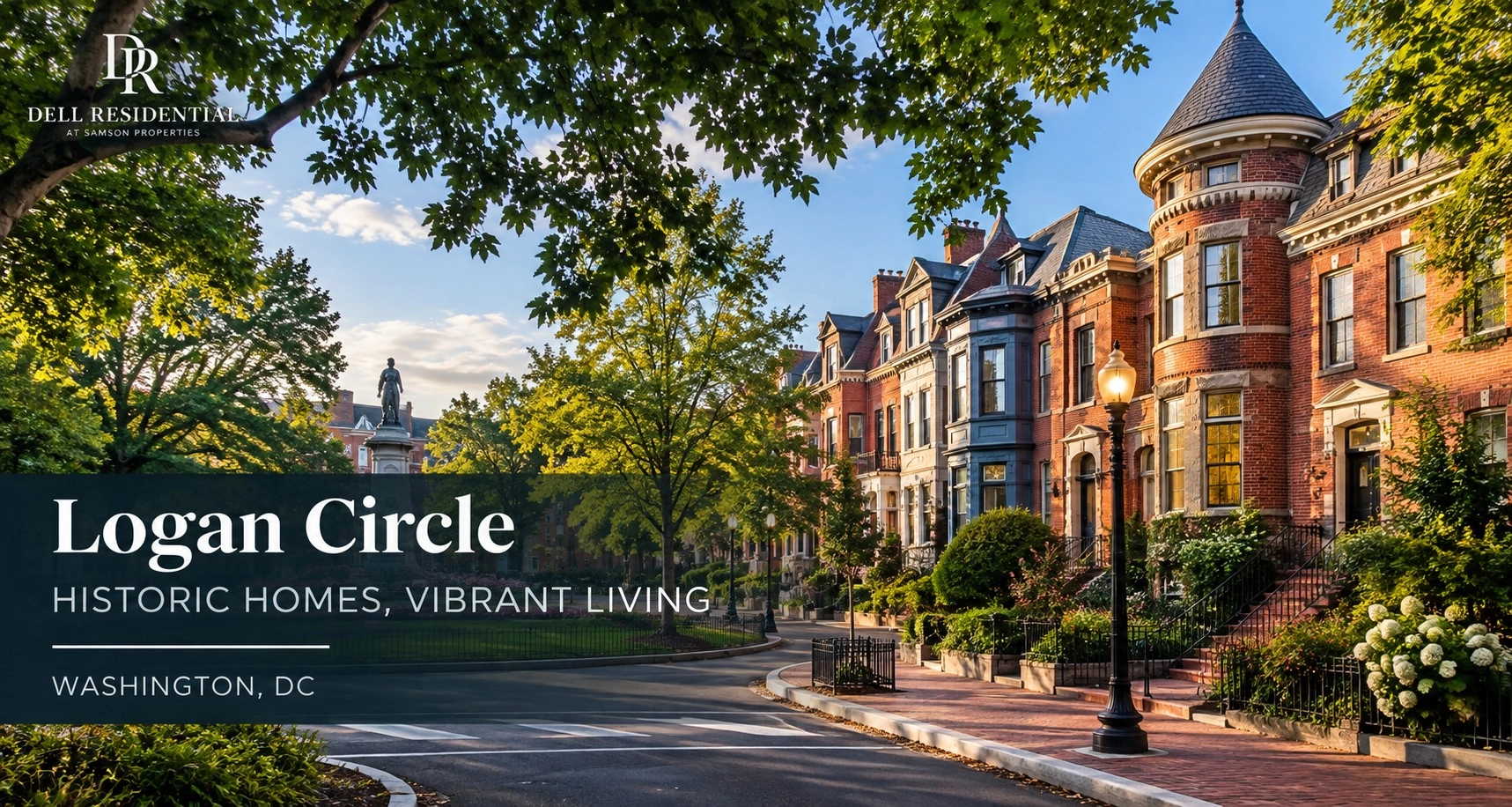
Why buyers consider Logan Circle: Walkability, restaurants, nightlife, historic architecture and a central DC location.
Buyers who want Northwest Washington with more trees and a quieter residential atmosphere may want to explore Cleveland Park.
The neighborhood offers an interesting combination of detached houses, condominiums and historic apartment buildings. Mature landscaping and proximity to Rock Creek Park give parts of Cleveland Park a noticeably greener character than neighborhoods closer to downtown.
Connecticut Avenue provides restaurants and neighborhood services, while the Cleveland Park Metro station offers Red Line access. That combination allows residents to maintain convenient connections to downtown while living in a more residential environment.
Why buyers consider Cleveland Park: Red Line Metro access, mature trees, established architecture and proximity to Rock Creek Park.
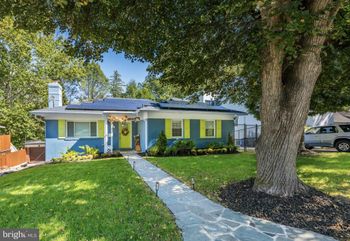
American University Park, commonly known as AU Park, provides a different version of Washington living. Instead of dense blocks dominated by rowhouses or high-rise condominiums, much of the neighborhood consists of detached homes on tree-lined residential streets.
Buyers often compare AU Park with nearby Tenleytown, Friendship Heights and Chevy Chase DC. Wisconsin Avenue provides shopping, restaurants and everyday conveniences, while the Tenleytown-AU Metro station offers Red Line service.
For buyers moving into Washington from the suburbs who still want a traditional house and residential surroundings, AU Park can provide an interesting middle ground between suburban and urban living.
Why buyers consider AU Park: Detached homes, tree-lined streets, access to Tenleytown and convenient Metro connectivity.
Adams Morgan is widely associated with restaurants, nightlife and an energetic commercial district centered around 18th Street. However, buyers who only know the neighborhood from its main corridor may be surprised by how residential the surrounding streets can feel.
Historic rowhouses, condominiums and apartment buildings sit within walking distance of restaurants and entertainment. That combination makes Adams Morgan particularly interesting for buyers who want an active neighborhood without necessarily living in the downtown business district.
Unlike Dupont Circle or Cleveland Park, Adams Morgan does not have a Metrorail station directly in its commercial center. Buyers who expect to use Metro regularly should evaluate the actual walk from a particular property rather than assuming all locations offer the same transit convenience.
Why buyers consider Adams Morgan: Restaurants, nightlife, historic architecture and an energetic neighborhood atmosphere.
Shaw combines historic Washington architecture with an increasingly modern residential landscape. Buyers can find renovated rowhouses, condominium conversions and newer residential buildings throughout the neighborhood.
Its central location puts residents near Logan Circle, U Street, Mount Vernon Square and downtown. Shaw's history, including its important connection to Washington's Black cultural and musical heritage, remains an important part of the neighborhood's identity.
For buyers who want restaurants, entertainment and convenient access to central Washington without choosing Georgetown or Capitol Hill, Shaw provides another distinct option.
Why buyers consider Shaw: Central location, restaurants, Metro access, historic rowhouses and newer condominium options.
Navy Yard represents a much newer version of Washington residential living. Extensive redevelopment around the Capitol Riverfront has introduced modern residential buildings, restaurants, public spaces and waterfront recreation.
Nationals Park is one of the neighborhood's most recognizable destinations, while the surrounding riverfront provides walking areas and outdoor spaces. The Navy Yard-Ballpark Metro station offers Green Line service and provides convenient connections to other parts of Washington.
Housing generally feels newer than what buyers encounter in Georgetown, Capitol Hill or Dupont Circle. Buyers interested in contemporary architecture, modern building amenities and waterfront access may therefore find Navy Yard particularly appealing.
Why buyers consider Navy Yard: Newer residential buildings, waterfront recreation, Metro access and contemporary urban living.
Southwest Waterfront is particularly interesting for buyers who appreciate waterfront access and mid-century architecture. Its housing stock includes cooperatives, condominiums, distinctive townhome-style communities and newer luxury developments.
The Wharf has added restaurants, entertainment venues, public spaces and waterfront activity along the Washington Channel. Yet Southwest also retains an architectural identity that is very different from Washington's traditional rowhouse neighborhoods.
Buyers interested in mid-century design may find some of the District's most unusual residential communities here. The combination of established residential developments and newer waterfront construction gives Southwest a particularly broad range of housing styles.
Why buyers consider Southwest Waterfront: Waterfront access, distinctive mid-century architecture, The Wharf and convenient access to downtown.
Brookland provides another option for buyers who prefer a more residential atmosphere while maintaining access to Metro and central Washington.
Often associated with Catholic University and the area's educational and religious institutions, Brookland contains detached homes, rowhouses, condominiums and newer residential development. This variety can help buyers who don't want to limit their search to one property type.
The neighborhood generally feels less intensely urban than Shaw or Logan Circle while still providing access to restaurants, local businesses and the Brookland-CUA Metro station.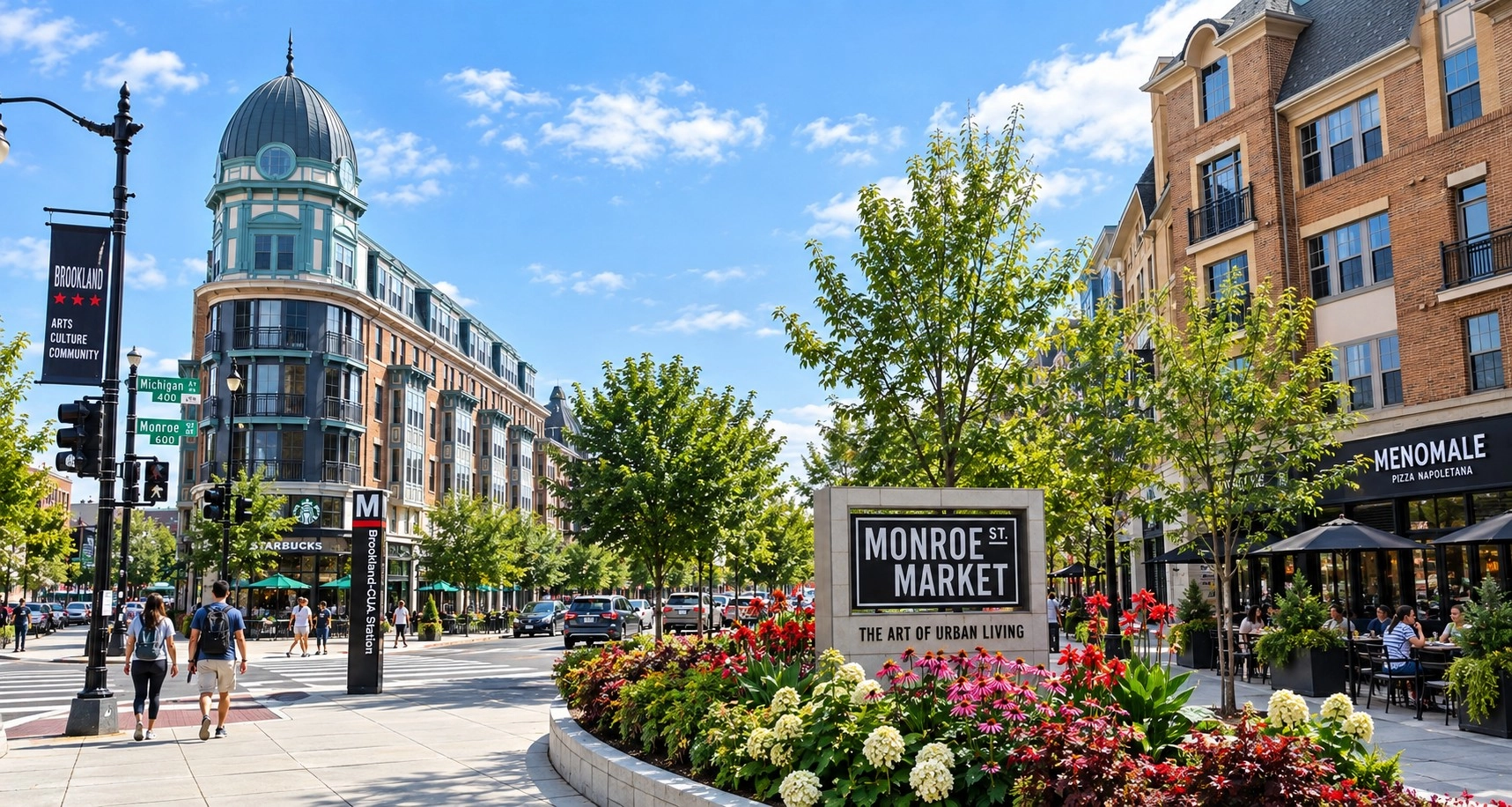
Why buyers consider Brookland: Residential atmosphere, Metro access, varied housing options and neighborhood character.
Choosing the right neighborhood starts with understanding how you expect to live day to day. A beautiful property may not be the right choice if the commute, transportation options or surrounding environment do not match your routine.
Buyers prioritizing historic rowhouses and walkability can start with Capitol Hill, Georgetown, Dupont Circle, Logan Circle and Shaw. Those looking for detached homes and quieter residential streets may want to spend more time in Cleveland Park and AU Park. Buyers interested in newer buildings and waterfront recreation should compare Navy Yard and Southwest Waterfront.
Transportation deserves just as much attention as the home itself. Some neighborhoods provide direct Metrorail access, while others depend more heavily on buses, biking, walking or driving. When comparing homes for sale in Washington, DC, calculate the actual trip from an individual property rather than evaluating transportation at the neighborhood level alone.
Housing type is another useful way to narrow the search. Washington offers historic rowhouses, detached homes, cooperatives, traditional condominiums, luxury high-rises and modern mixed-use developments. Deciding what kind of property you want can quickly reduce the number of neighborhoods you need to consider.
Capitol Hill, Georgetown, Dupont Circle, Logan Circle and parts of Shaw contain significant concentrations of historic residential architecture. Housing ranges from smaller rowhouses and condominiums to extensively renovated luxury residences.
Upper Northwest neighborhoods such as AU Park, Cleveland Park, Chevy Chase DC, Forest Hills and the Palisades generally provide more detached-home options than neighborhoods immediately surrounding downtown Washington.
Navy Yard/Capitol Riverfront and Southwest Waterfront are two of the primary areas to explore for buyers interested in waterfront living and recreation. Georgetown also provides access to the Potomac River and Georgetown Waterfront Park.
Dupont Circle, Cleveland Park, Capitol Hill, Shaw, Navy Yard and Brookland all provide access to nearby Metrorail stations. AU Park residents can use the Tenleytown-AU station. Buyers should verify the actual walking distance from a particular property because convenience can vary significantly within the same neighborhood.
Consider housing type, commute, Metro access, walkability, parking, outdoor space, restaurants, parks and the amount of activity you want around your home. Visiting the same neighborhood during different times of the day can also provide a better understanding of traffic, noise and everyday activity.
Washington's neighborhoods can feel remarkably different despite being only a few miles apart. A Capitol Hill rowhouse, Georgetown residence, Cleveland Park detached home and modern Navy Yard condo may all have Washington, DC addresses, but each provides a very different living experience.
Dell Jeanty of Dell Residential at Samson Properties can help you compare Washington, DC neighborhoods, evaluate available properties and identify homes that match your housing, commuting and lifestyle priorities.
Search available homes, condos and townhomes throughout Washington, DC and discover which neighborhood fits the way you want to live.
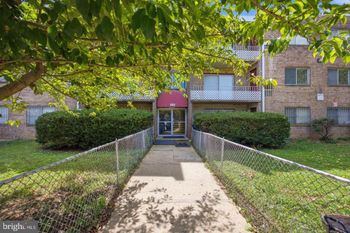
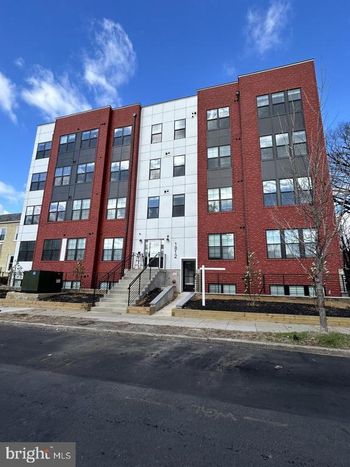
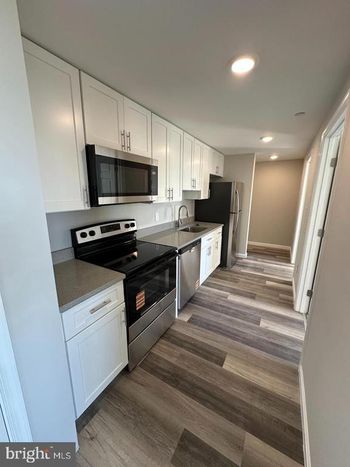
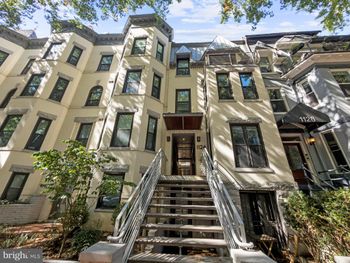
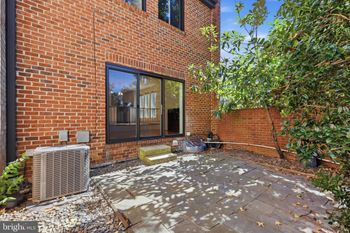
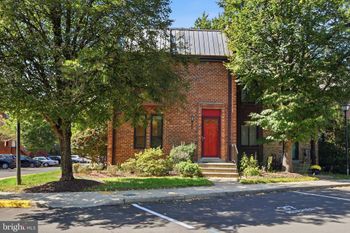



Explore homes, condos, townhomes, and communities throughout Northern Virginia, Washington, DC, and Maryland.
Alexandria Homes for Sale
Arlington Homes for Sale
Fairfax Homes for Sale
McLean Homes for Sale
Vienna Homes for Sale
Falls Church Homes for Sale
Reston Homes for Sale
Ashburn Homes for Sale
Leesburg Homes for Sale
See All Cities >